Uncover the Key Services Delivered by a Professional Arborist for Optimal Tree Health
A professional arborist delivers a variety of services crucial for keeping trees healthy and enhancing landscapes. Their expertise in tree pruning promotes growth and lessens dangers. They also identify and treat tree diseases, guaranteeing customized treatment plans are implemented - Florence Arborist. Additionally, arborists manage secure tree removal and help with planting and transplanting. Their role is especially important during critical situations like storm damage. Understanding these services can greatly impact one’s approach to tree care
The Value of Tree Pruning
Although many homeowners may overlook the importance of tree pruning, it serves a vital function in maintaining the health and aesthetics of trees. Correct pruning assists trees in building a sound framework, eliminating dead or infected limbs that could create hazards. By selectively trimming branches, the tree can focus its energy on healthy growth, encouraging improved air flow and sunlight penetration. Additionally, pruning can boost the aesthetics of the tree, contouring it for attractiveness in residential landscapes.
Moreover, regular pruning can avert future risks, such as falling branches during storms or high winds, which could harm property or injure individuals. It also helps prevent of pest infestations and diseases by enhancing the tree's hardiness. Ultimately, hiring professional arborists for tree pruning guarantees that trees remain healthy, safe, and visually pleasing, greatly contributing to the overall beauty and value of the property.
Assessing and Handling Tree Diseases
Tree health can be significantly impacted by a range of diseases that may not always be immediately evident. A professional arborist serves a vital function in identifying these issues promptly, utilizing a combination of visual inspections and diagnostic tools. Symptoms such as leaves changing color, wilting, or irregular growth shapes often point to underlying wellness concerns. Arborists assess these symptoms to identify specific diseases, whether fungal, bacterial, or viral in nature.
Following the diagnosis, the tree specialist creates a bespoke care program. The plan often involves focused interventions, such as bactericides or fungicides, and cultural practices that boost the tree's resistance. Additionally, correct hydration, the application of mulch, and nutrition helps greatly enhance the vitality of the tree and resistance to diseases. Routine check-ups and subsequent care are essential for successful control, guaranteeing the lifespan and vitality of the trees. By addressing tree diseases proactively, professionals preserve the ecological advantages and visual appeal of thriving trees.
Secure Methods for Tree Extraction
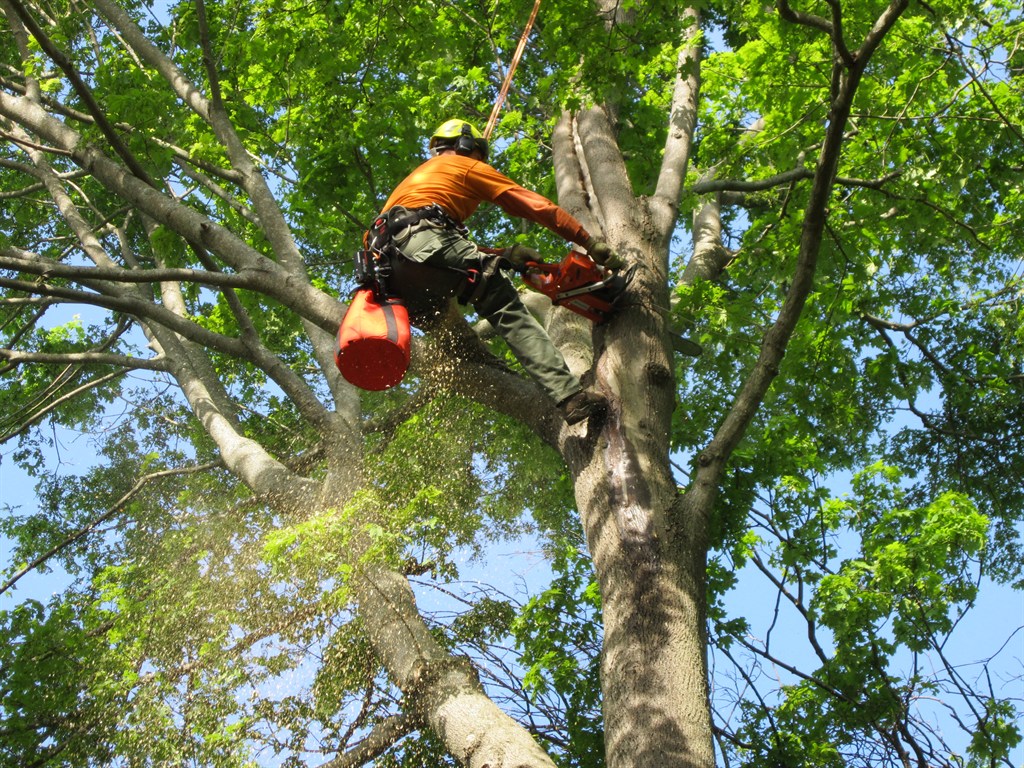
Effective tree removal practices are critical for securing safety and minimizing damage to nearby structures. Qualified professionals utilize a comprehensive evaluation of the tree's condition, its location, and the immediate vicinity before proceeding with removal. They utilize specialized equipment, such as ropes and cutting tools, to make clean incisions and maintain control while cutting down the tree.
A well-planned removal strategy requires recognizing risks, such as structures or overhead wires, which can compromise the safety measures. Tree specialists frequently employ a method known as "sectional dismantling," in which the tree is taken apart in manageable pieces, reducing the risk of falling debris.
Furthermore, professionals comply with municipal guidelines to guarantee compliance and ecological responsibility. After the removal, thorough clearing and removal of the tree debris, including stump grinding, help improve the overall security and visual appeal of the area.
Planting and Transplanting Trees
The process of tree establishment demands close attention of site selection and planting techniques to ensure future vitality and successful establishment. The right location can greatly impact a tree's development, while proper planting methods reduce trauma and encourage the tree to thrive. Arborists emphasize these factors as essential for enhancing the strength and endurance of trees in any landscape.
Selecting an Appropriate Site
Selecting an appropriate site for relocating or establishing trees is vital for their sustained health and success. Elements like the condition of the soil, sunlight exposure, and water flow needs careful consideration. Professional arborists evaluate the location's features, to guarantee that the planting location offers sufficient nourishment and proper foundation for the trees. In addition, the nearness to established constructions and surrounding flora is essential to avoid resource contention and steer clear of future injury. Arborists also consider the tree’s mature size and underground network, ensuring sufficient space for growth. By conducting a thorough site analysis, these professionals assist customers choose wisely that foster robust, flourishing trees, thereby improving the landscape’s aesthetic and ecological value.
Optimal Planting Methods
When the planting spot is meticulously reviewed and picked, the subsequent phase requires employing ideal planting techniques for trees. Proper preparation of the planting hole is vital; it should be twice the width of the root ball and not deeper than the root mass. The tree should be placed in the hole so that the top of the root ball is level with the adjacent ground. Refill using the original dirt, making sure to eliminate air gaps, and soak the area well to encourage early root growth. Applying mulch at the bottom helps retain moisture and inhibit unwanted growth. Florence Arborist. When relocating established trees, it is crucial to limit damage to the roots and move the tree while it is inactive for the best chance of survival. Adhering to these methods encourages strong vitality and extended health
Arborist Action Following Severe Weather
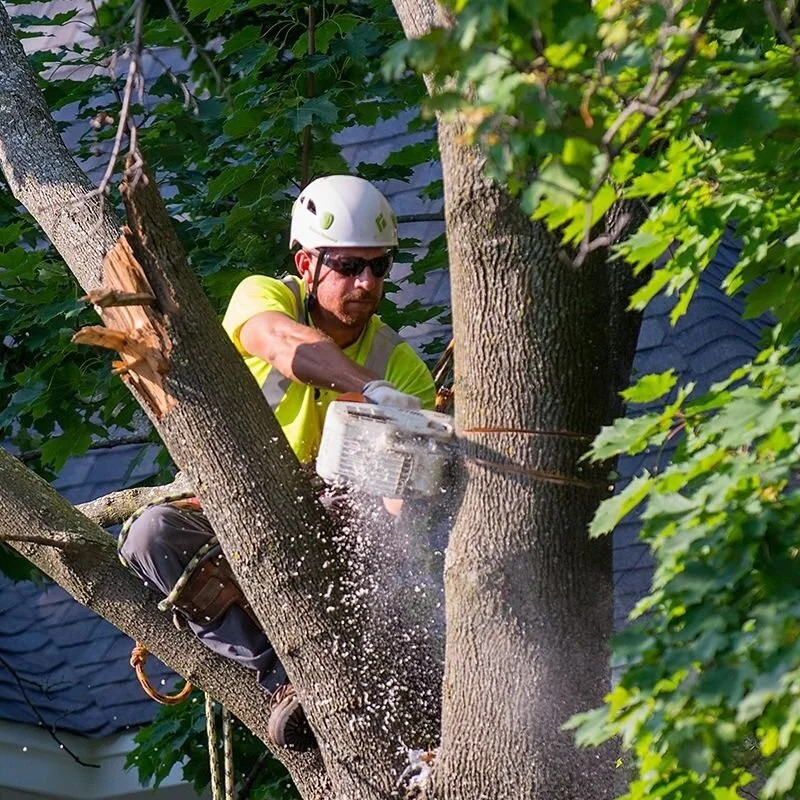
When severe storms strike, the consequences often leave trees in dangerous states, posing risks to property and safety. Trained arborists are essential in crisis management, assessing trees harmed by the storm to gauge their soundness and condition. Their knowledge enables them to determine which trees can be salvaged and which present immediate dangers that need to be taken down.
Equipped with specialized tools, tree experts are able to securely trim fractured limbs and haul away refuse, reducing additional harm to nearby locations. They also provide valuable advice on risk mitigation, such as choosing sturdy types of trees for future planting.
Beyond just quick action, professionals guide property owners through the potential long-term effects of storm damage, offering guidance on recovery and rehabilitation. By acting swiftly and efficiently, these experts do more than just secure homes but also aid overview in the recovery of the local environment once the tempest has passed.
Nutrient Assistance and Soil Management
After the devastation caused by storm damage, focus shifts to the well-being of the trees that remain, emphasizing the necessity of nutritional support and soil management. A certified tree specialist assesses ground quality and tree vitality to ascertain specific nutritional needs. Trees require key nourishment, such as nitrogen, phosphorus, and potassium, to heal and grow strong following stressful periods.
Soil management is crucial for nutrient availability and root development. Experts might advise ground improvements, such as organic matter, to improve soil structure and microbial activity. Proper pH levels are also assessed, as they affect nutrient uptake.
Applying mulch can improve moisture retention and suppress weeds, making a suitable condition for tree recovery. With a detailed feeding regimen and using smart soil maintenance methods, arborists make certain trees recover their vigor, resilience, and total well-being, a factor essential to maintaining a balanced ecosystem following ecological disruptions.
FAQs
How Often Should I Have My Trees Inspected?
Trees should be checked annually for peak health. However, checking them more often might be required for younger trees, following harsh storms, or if any signs of distress or disease are observed.
What Qualifications Should I Look for in an Arborist?
When hiring a tree specialist, one should look for credentials such as ISA (the ISA) accreditation, relevant experience, insurance coverage, and a solid name within the community, guaranteeing skill in arboriculture and safe procedures.
Do Arborists Utilize Special Equipment for Tree Care?
Arborists use a range of unique equipment for tree care, such as chainsaws, pruning shears, climbing gear, and stump grinders. Each tool serves a specific purpose, facilitating good care, pruning, and removal of trees while promoting overall health and safety.
How Do Weather Conditions Affect Tree Health?
The climate significantly affects tree health; too much water often causes root rot, while drought stresses trees. Harsh weather conditions can damage leaves and branches, ultimately affecting growth, durability, and overall vigor of the trees.
Am I able to care for my trees personally, or Is it better to hire an expert?
While some basic tree care tasks can be performed by individuals, hiring a professional is often advisable - Florence Arborist. Experts possess specialized knowledge and tools, which guarantees the trees get the appropriate care required for ideal health and growth